
JAPANESE ENCEPHALITIS
Japanese encephalitis (JE) is a potentially serious mosquito-borne disease found mainly in Asia
On this page:
WHAT IS JAPANESE ENCEPHALITIS?
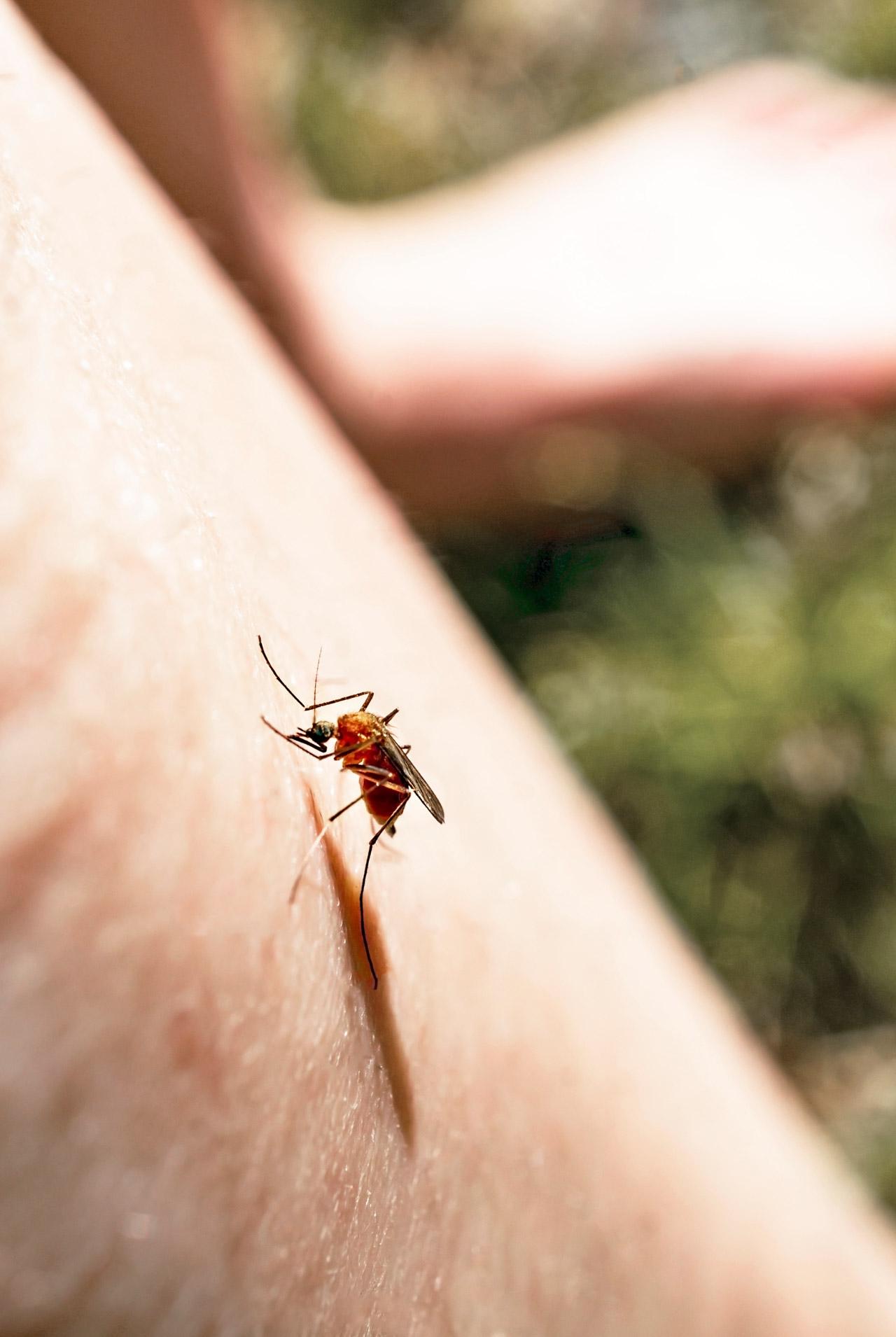
Japanese encephalitis (JE) is a potentially serious disease caused by the Japanese encephalitis virus (JEV), and is related to dengue, yellow fever, West Nile and Saint Louis encephalitis viruses.2,3 JE is the main cause of viral encephalitis in many countries in Asia.3 JE virus is transmitted to humans through the bite of infected Culex species mosquitoes, particularly Culex tritaeniorhynchus.2 The virus is maintained in a cycle between mosquitoes and vertebrate hosts, primarily pigs and wading birds.
Most people infected with JE will not show any symptoms and only <1% of infected people will develop neurologic disease.3
VACCINATION IS THE OPTIMAL MEANS OF PROTECTION AGAINST JAPANESE ENCHEPHALITIS2

Potentially fatal
Up to 30% of patients who develop encephalitis die and up to 50% survive with enduring disabilities.3,4
Approximately 25,000 people die annually from JE.2,4

Spreading rapidly
JE has spread to 25 countries in Asia and the Western Pacific, not just in Japan.5

Mosquito-borne
JE is caused by bites primarily from Culex mosquitoes which carry the JE virus.6

Immunisation programmes
Vaccination and preventing mosquito bites are the only methods of protection.3,7

Travel risk assessment
An individual risk assessment can identify travellers who are eligible for JE vaccination.3
TRANSMISSION OF JAPANESE ENCEPHALITIS
Japanese encephalitis virus (JEV) is transmitted to humans through the bite of infected Culex species mosquitoes, in particular Culex tritaeniorhynchus.6 Culex mosquitoes peak hours of activity are between dusk and dawn.1 Humans are considered dead-end hosts of JEV, and the virus is maintained in a transmission cycle between mosquitoes and vertebrate hosts, primarily pigs and wading birds.6

THE FREQUENCY OF JAPANESE ENCEPHALITIS DISEASE VARIES
Approximately 68,000 clinical cases of JE occur globally every year. However, most cases are mild or asymptomatic, so it is believed that the total number of unreported cases is much greater.8 A 1994 population estimate of 700 million children <15 years of age who live in JE-endemic areas suggested 175,000 cases annually with 43,750 deaths, and 78,750 cases with lasting complications.9
More recently, 46 cases of JE were reported during a 2021–2023 outbreak in Australia. However, a study conducted in New South Wales, Australia reported JEV antibodies in almost 9% of participants, indicating a much larger outbreak than may have been initially assumed.10
JAPANESE ENCEPHALITIS IS PREVALENT IN PARTICULAR AREAS
JE has spread to mainland Australia, meaning it can now be found in 25 countries across Asia and the Western Pacific.5 Due to climate change, mosquitoes can now be found everywhere in JE risk areas, even in urban areas and tourist resorts.5,11
PEOPLE LIVING IN OR TRAVELLING TO JAPANESE ENCEPHALITIS-ENDEMIC AREAS ARE AT RISK
Non-vaccinated travellers to areas where JE is endemic are at risk of contracting JE.5
Particularly susceptible are long-term visitors and travellers who are likely to spend time outdoors in rural or agricultural areas or participate in outdoor activities, such as camping, hiking, trekking, biking, fishing, hunting, or farming. Staying in accommodation without air conditioning, screens, or mosquito nets can also put travellers at risk.12

LEARN MORE ABOUT JAPANESE ENCEPHALITIS
Get in-depth information on symptoms, diagnosis, disease protection and more.


References
- NaTHNaC Travel Health Pro. Japanese encephalitis. June 2026. Available at: https://travelhealthpro.org.uk/factsheet/55/japanese-encephalitis. Accessed: July 2026.
- World Health Organization. Japanese encephalitis. August 2024. Available at: https://www.who.int/news-room/fact-sheets/detail/japanese-encephalitis. Accessed: July 2026.
- Centers for Disease Control and Prevention. Japanese Encephalitis. CDC Yellow Book 2026. February 2026. Available at: https://www.cdc.gov/yellow-book/hcp/travel-associated-infections-diseases/japanese-encephalitis.html. Accessed: July 2026.
- Hills SL, Walter EB, Atmar RL, Fischer M. Japanese Encephalitis Vaccine: Recommendations of the Advisory Committee on Immunization Practices. MMWR Recomm Rep. 2019;68.
- Centers for Disease Control and Prevention. Areas at Risk for Japanese Encephalitis. Japanese Encephalitis Virus. February 2026. Available at: https://www.cdc.gov/japanese-encephalitis/data-maps/index.html. Accessed: July 2026.
- Kishore KJN, Praharaj MR, Tanuj GN, et al. Tracing the evolutionary trajectory of Japanese encephalitis virus across hosts and countries. Sci Rep. 2025;15(1):35061.
- IXIARO®. Summary of Product Characteristics. March 2023. Available at: https://www.medicines.org.uk/emc/product/6534. Accessed: July 2026.
- Ramli NS, Ismail NM, Zaini N, et al. Seroepidemiological Studies on Japanese Encephalitis: A Systematic Review. Oman Med J. 2022;37(2):e366.
- Erlanger TE, Weiss S, Keiser J, Utzinger J, Wiedenmayer K. Past, Present, and Future of Japanese Encephalitis. Emerg Infect Dis. 2009;15(1):1-7.
- McGuinness SL, Lau CL, Leder K. The evolving Japanese encephalitis situation in Australia and implications for travel medicine. J Travel Med. 2023;30(2):taad029.
- Connor B, Bunn WB. The changing epidemiology of Japanese encephalitis and New data: the implications for New recommendations for Japanese encephalitis vaccine. Trop Dis Travel Med Vaccines. 2017;3:14.
- Centers for Disease Control and Prevention. Japanese Encephalitis Vaccine. Japanese Encephalitis Virus. May 2024. Available at: https://www.cdc.gov/japanese-encephalitis/prevention/japanese-encephalitis-vaccine.html. Accessed: July 2026.
UK-JE-2600006 July 2026