CHOLERA
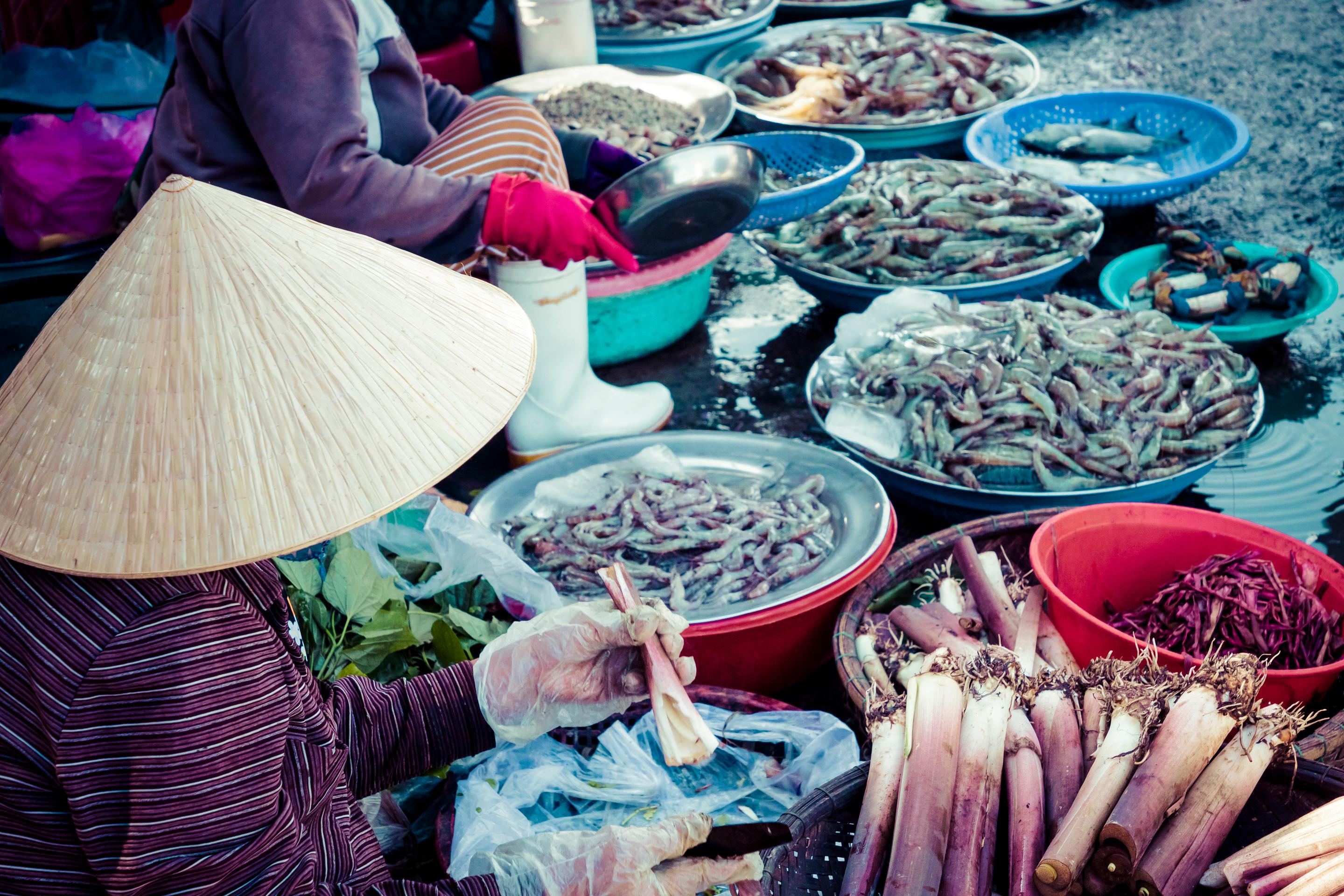
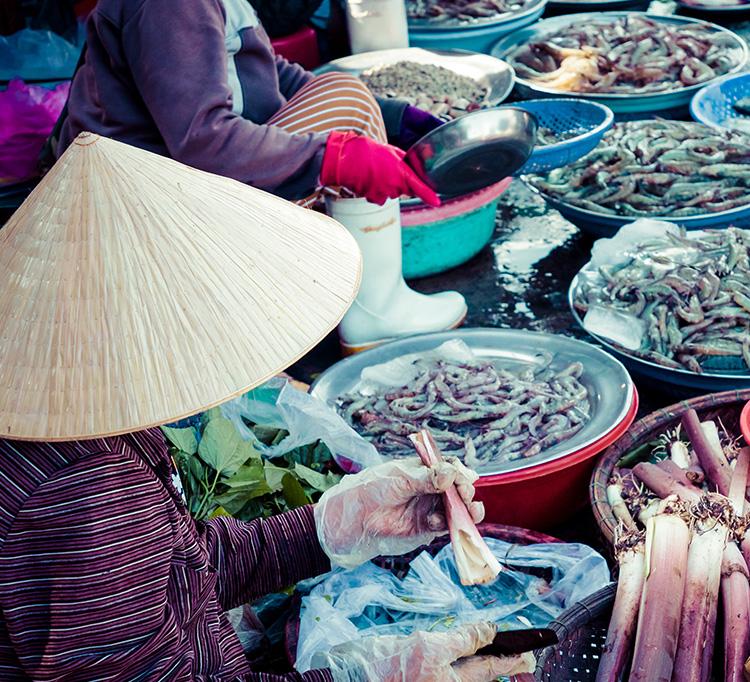
Cholera is an extremely virulent disease that is caused by ingesting contaminated water or food
On this page:
WHAT IS CHOLERA?
Cholera is an acute diarrhoeal infection that is caused by ingesting water or food that has been contaminated with Vibrio cholerae bacteria. It is potentially fatal in both adults and children, sometimes within hours, if left untreated.1
CHOLERA CAN BE EASILY TREATED, BUT VACCINATION CAN REDUCE THE RISK OF CONTRACTING THE DISEASE AND EXPERIENCING UNPLEASANT SYMPTOMS1,2
WIDELY PREVALENT
Endemic in Africa, Asia and Central and South America and prevalent in areas where there is poor sanitation.3

UP TO 4 MILLION CASES A YEAR
Every year, there are an estimated 1.3 to 4 million cases of cholera, causing 21,000 to 143,000 deaths worldwide.1

DIARRHOEA SYMPTOMS
The main cholera symptoms are watery diarrhoea, vomiting and severe dehydration, which can lead to death if not treated.1,4

HOW CHOLERA IS TRANSMITTED
You can get cholera from drinking water or eating food containing cholera bacteria.4
People infected with cholera can easily spread the disease further.
About 75% of people infected with cholera do not develop any symptoms, however, Vibrio cholerae bacteria remains in their faeces for 7–14 days, which can lead to the infection of others.5
THE FREQUENCY OF CHOLERA DISEASE VARIES
Cholera is an under-reported and under-diagnosed health problem: the World Health Organization (WHO) estimates that only 5–10% of cases are reported.6
It is estimated that every year there are roughly 1.3 to 4 million cases of cholera, causing between 21,000 and 143,000 deaths worldwide.1

CHOLERA IS PREVALENT IN PARTICULAR AREAS
Endemic and epidemic cholera continues to pose a significant health risk across multiple regions.3 The WHO estimate that the total global population at risk for cholera is around 1.4 billion individuals.7
Cholera is resurging in several countries, driven by poverty, conflict, and climate change.3 Increased numbers of cholera outbreaks can pose a significant risk to travellers, especially those visiting areas with inadequate water treatment and poor sanitation.3
V. cholerae bacteria may also be contracted in brackish rivers or coastal waters. Additionally, shellfish eaten raw from these areas may also be a source of cholera disease.8
PEOPLE LIVING IN OR TRAVELLING TO CHOLERA-ENDEMIC AREAS ARE AT RISK
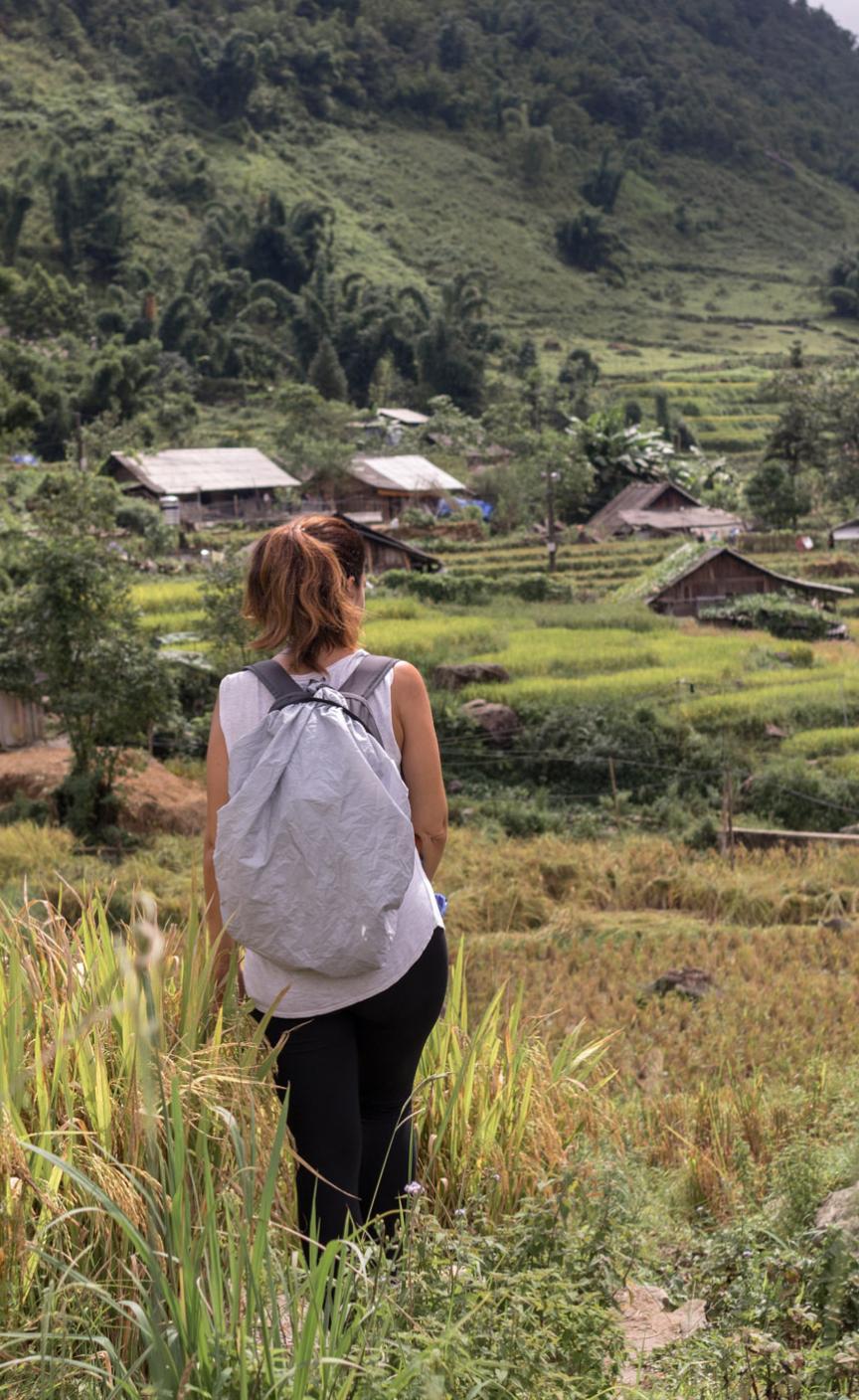
People living in and travellers visiting places with poor sanitation may be at risk of contracting cholera.1
Conflict, mass displacement, disasters from natural hazards, and climate change have intensified outbreaks, making humanitarian aid workers and those working in disaster relief situations especially vulnerable.3,4,9
Children younger than five years of age are also highly susceptible to cholera, making up nearly half of all cases.6

References
- World Health Organization. Cholera. December 2024. Available at: https://www.who.int/news-room/fact-sheets/detail/cholera. Accessed: July 2026.
- DUKORAL®. Summary of Product Characteristics. February 2023. Available at: https://www.medicines.org.uk/emc/product/5087/smpc. Accessed: July 2026.
- World Health Organization. Cholera – Multi-country with a focus on countries experiencing current surges. August 2025. Available at: https://www.who.int/emergencies/disease-outbreak-news/item/2025-DON579. Accessed: July 2026.
- Centers for Disease Control and Prevention. Cholera. Yellow Book. April 2025. Available at: https://www.cdc.gov/yellow-book/hcp/travel-associated-infections-diseases/cholera.html. Accessed: July 2026.
- World Health Organization. Cholera EMRO. October 2024. Available at: https://www.emro.who.int/health-topics/cholera/. Accessed: July 2026.
- Lippi D, Gotuzzo E, Caini S. Cholera. Microbiology Spectrum. 2016;4(4):10.1128/microbiolspec.poh-0012-2015.
- Ali M, Lopez AL, You YA, et al. The global burden of cholera. Bull World Health Organ. 2012;90(3):209-218A.
- Centers for Disease Control and Prevention. Cholera. Cholera. May 2025. Available at: https://www.cdc.gov/cholera/about/index.html. Accessed: July 2026.
- UK Health Security Agency. Cholera: the green book, chapter 14. August 2024. Available at: https://www.gov.uk/government/publications/cholera-the-green-book-chapter-14. Accessed: July 2026.
UK-CHOL-2600002 July 2026