CHOLERA
Cholera is an extremely virulent disease that is caused by ingesting contaminated water or food
On this page:
WAYS TO REDUCE THE RISK OF CONTRACTING CHOLERA
When travelling, the following precautions should be taken to protect against cholera
MONITOR FOOD AND DRINK
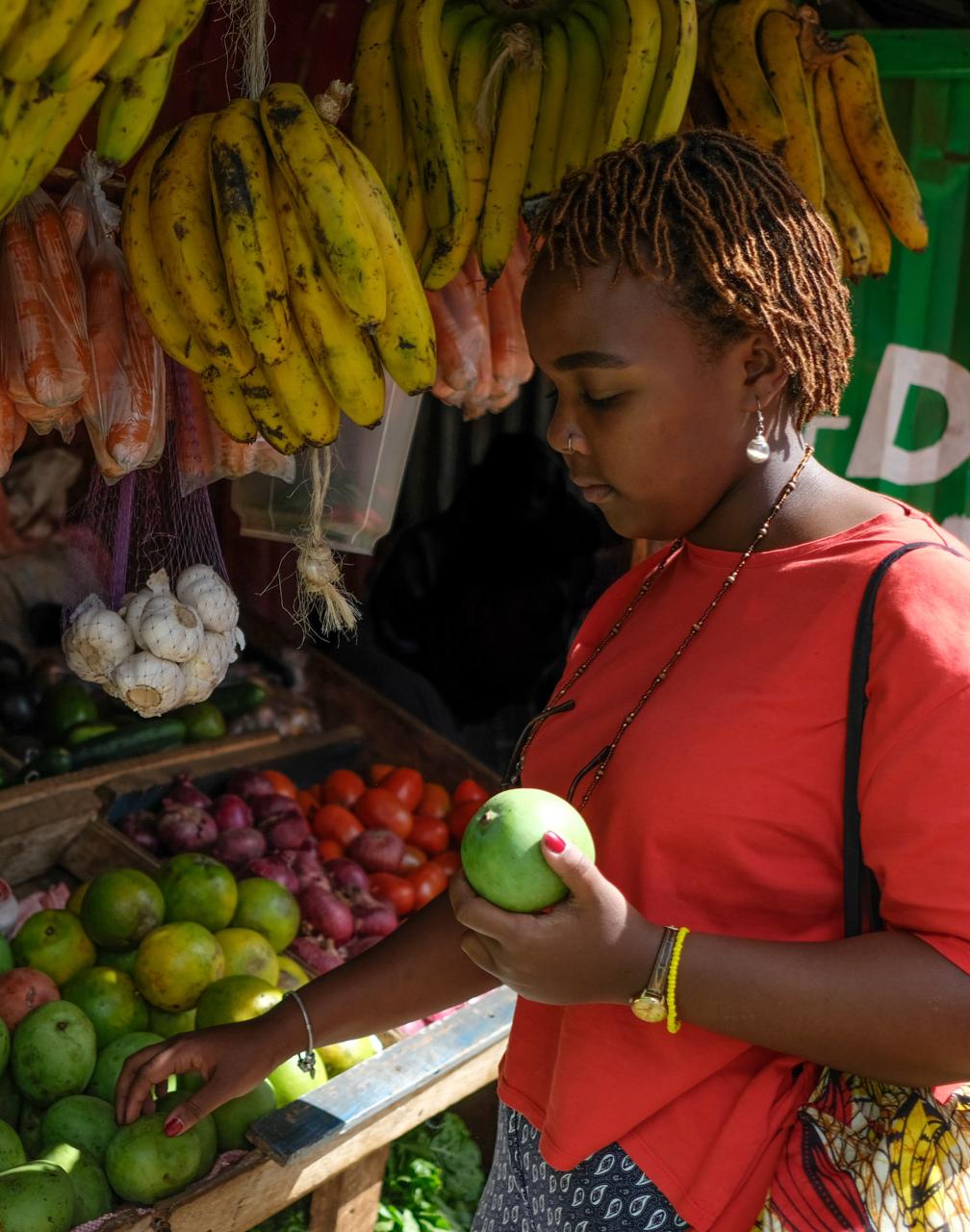
Food should be well-cooked and served warm. Raw vegetables, uncooked meat or seafood, and other foods kept at room temperature should be avoided.1
Tap water and ice are also high risk. Carbonated beverages, beer and wine, hot coffee and tea, peelable fruits and canned products are generally safe.1
WASH HANDS
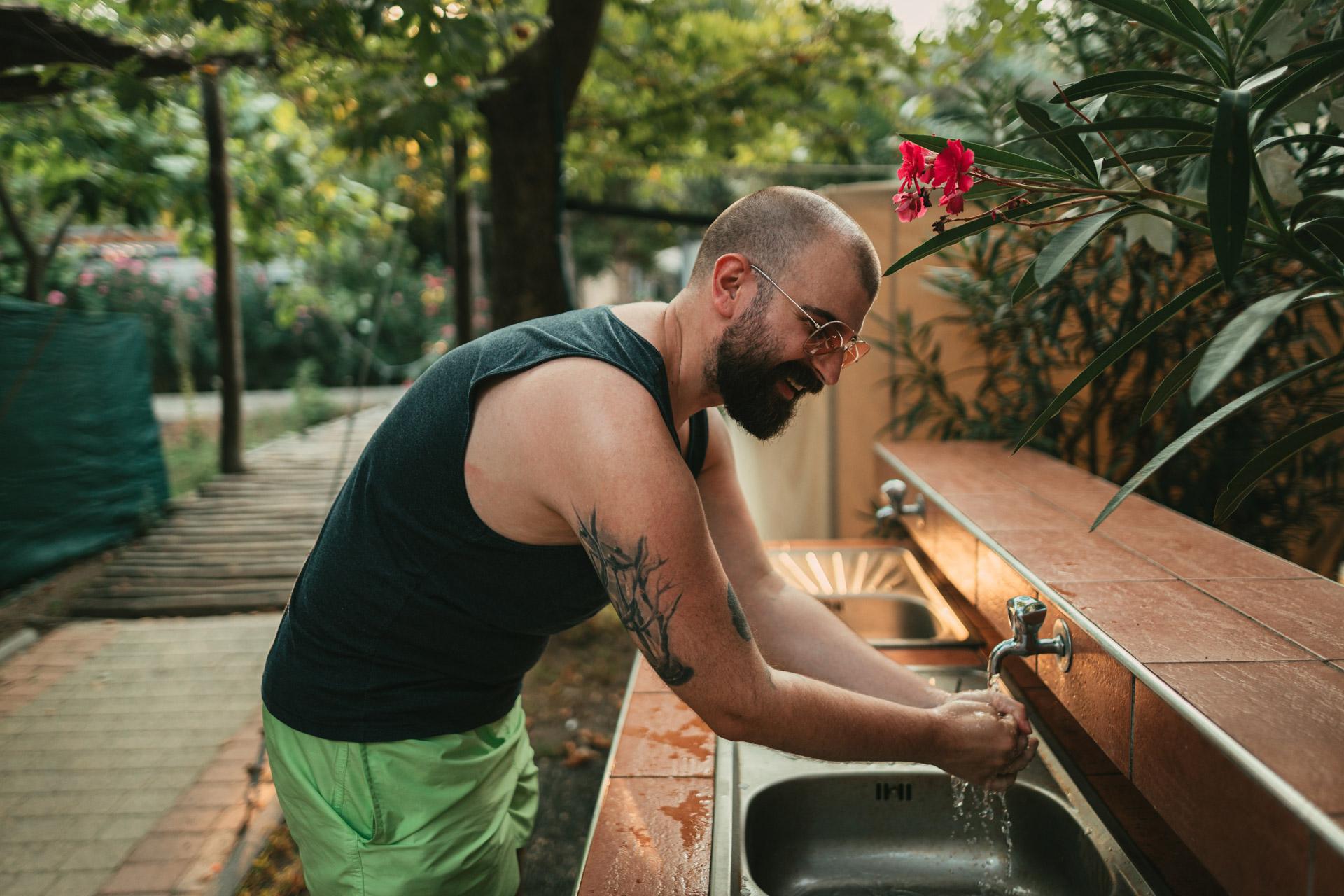
Frequent hand washing with soap and clean water will reduce the likelihood of infection.1,2
EAT OUT WITH CAUTION
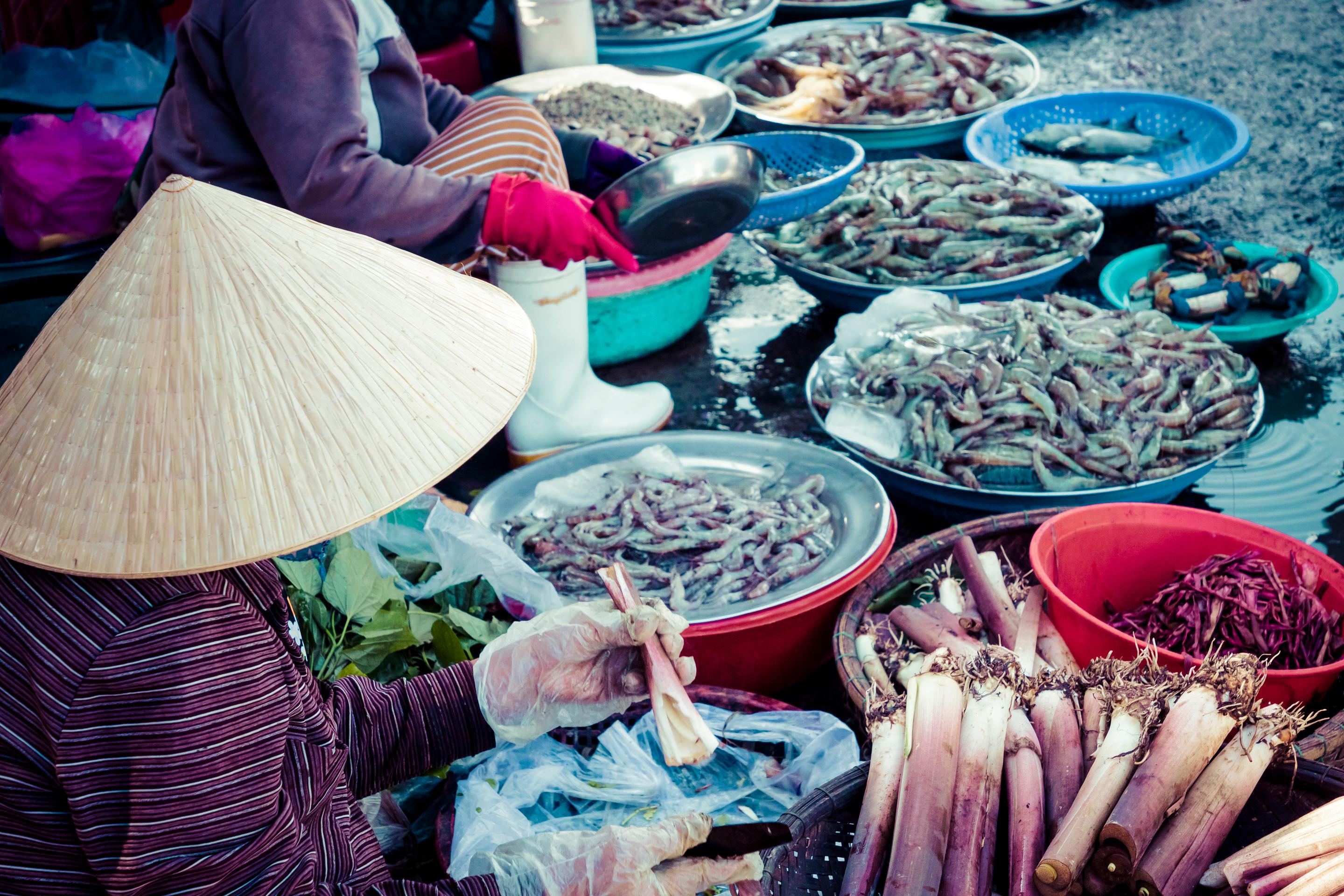
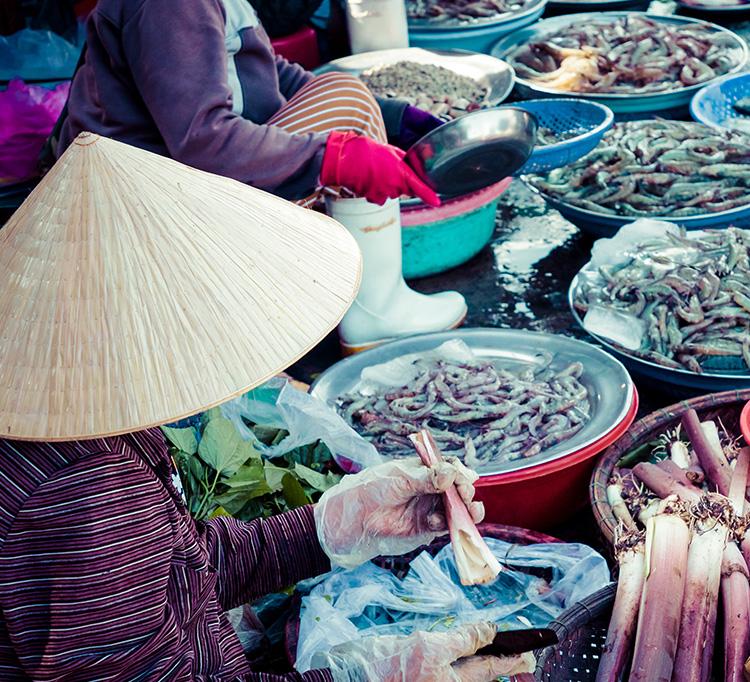
The risk for developing cholera increases when eating food from street vendors.1
Although eating out can be safe, judgement should be exercised as far as possible when it comes to food safety and hygiene standards.
VACCINATION CAN PROTECT AGAINST CHOLERA
In general, vaccination can be recommended for all adults and children ≥2 years old travelling to an endemic area.3,4
The following types of travellers are seen as especially high risk for contracting cholera:5–8
TRAVELLERS VISITING
PLACES WITH POOR SANITATION

HUMANITARIAN AID
WORKERS IN DISASTER-RELIEF ZONES

TRAVELLERS TO
COUNTRIES EXPERIENCING CHOLERA OUTBREAKS
You can help protect travellers from the risk of cholera with DUKORAL® cholera vaccine (inactived, oral).3
LEARN MORE ABOUT CHOLERA
Get in-depth info on signs, symptoms, disease protection, and more.


References
- Centers for Disease Control and Prevention. Food and Drink Considerations When Traveling. January 2026. Available at: https://wwwnc.cdc.gov/travel/page/food-water-safety. Accessed: July 2026.
- World Health Organisation. Cholera outbreaks. World Health Organisation. March 2023. Available at: https://www.who.int/news-room/questions-and-answers/item/cholera-outbreaks. Accessed: July 2026.
- DUKORAL®. Summary of Product Characteristics. February 2023. Available at: https://www.medicines.org.uk/emc/product/5087/smpc. Accessed: July 2026.
- Centers for Disease Control and Prevention. Cholera Vaccines. Cholera. May 2025. Available at: https://www.cdc.gov/cholera/prevention/cholera-vaccines.html. Accessed: July 2026.
- World Health Organization. Cholera. December 2024. Available at: https://www.who.int/news-room/fact-sheets/detail/cholera. Accessed: July 2026.
- Centers for Disease Control and Prevention. Cholera. Yellow Book. April 2025. Available at: https://www.cdc.gov/yellow-book/hcp/travel-associated-infections-diseases/cholera.html. Accessed: July 2026.
- Centers for Disease Control and Prevention. Cholera. Cholera. May 2025. Available at: https://www.cdc.gov/cholera/about/index.html. Accessed: July 2026.
- Cholera Vaccine for Travel – What You Need to Know. Ready Health. February 2025. Available at: https://readyhealth.co.uk/blog/cholera-vaccination. Accessed: July 2026.
UK-CHOL-2600002 July 2026