MOSQUITO-BORNE DISEASES
Mosquitoes transmit numerous vaccine preventable and non-vaccine preventable diseases
CAN MOSQUITO-BORNE DISEASES BE PREVENTED?
Personal protective measures as well as medicines and vaccination are all important components in preventing bites and MBDs.
Travellers should be encouraged to see travel health specialists and learn about destination-specific MBD risks and what precautionary actions they can take.
Travellers should be encouraged to SWAT.
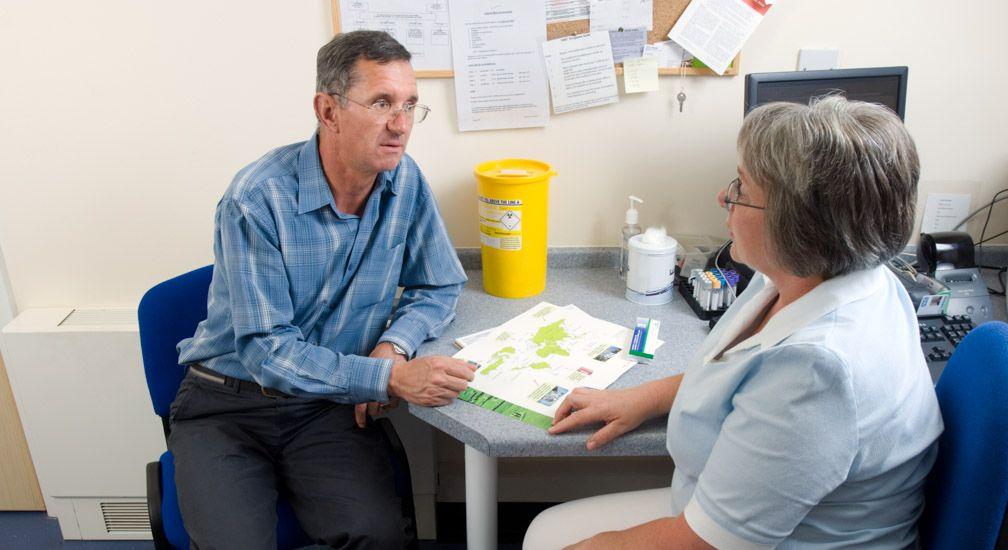
SEE A TRAVEL HEALTH SPECIALIST1

WEAR LOOSE FITTING CLOTHING, COVERING BOTH ARMS AND LEGS2
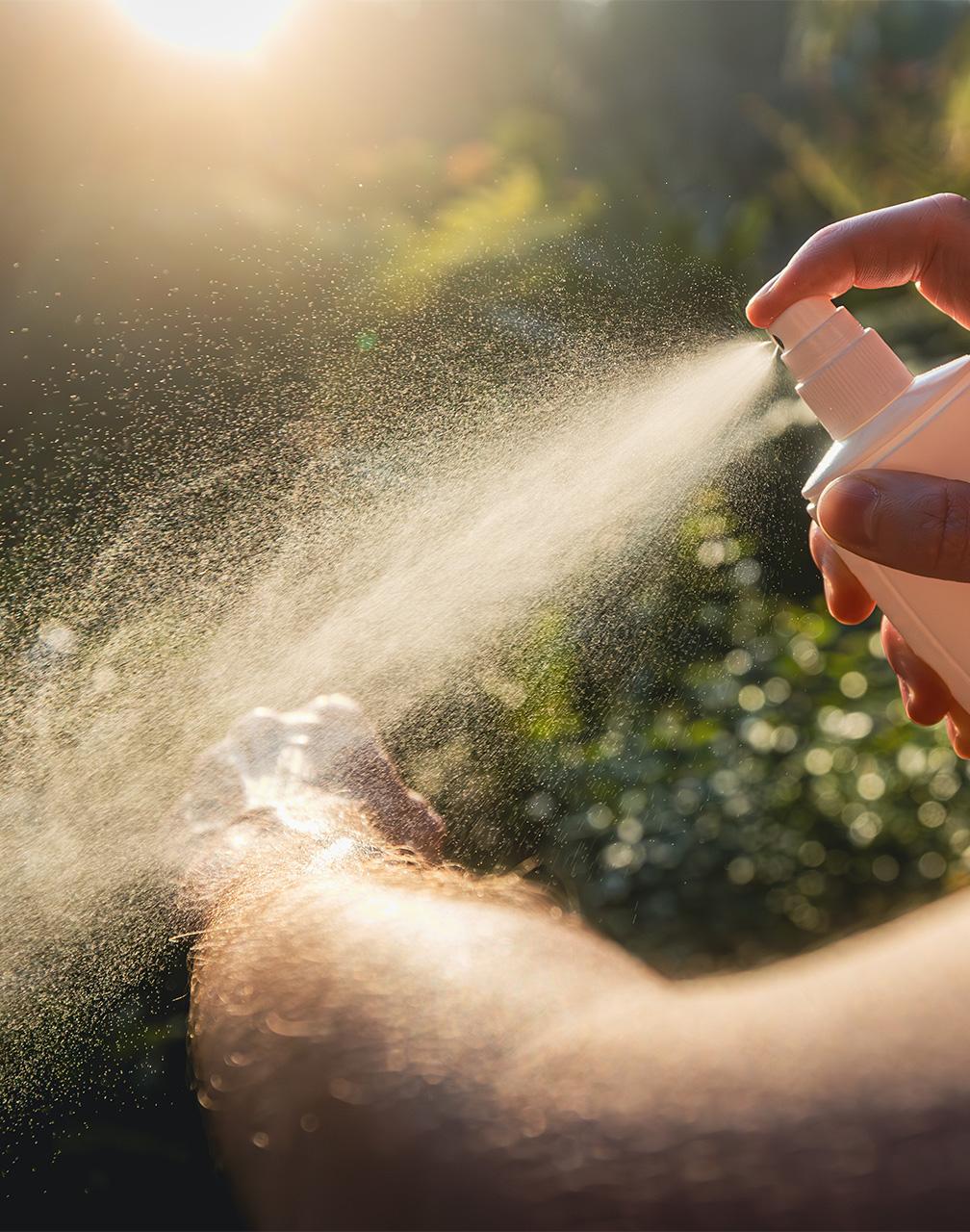
APPLY INSECT REPELLENT2
Applying a recommended insect repellent containing DEET (50%), picaridin (20%), eucalyptus oil, or 3-ethlyaminopropionate (IR3535).1

TAKE MEDICATION AND GET VACCINATED IF APPROPRIATE3,4
ADDITIONAL ADVICE
Some additional advice that all travellers should follow to reduce mosquito bites include:5,6
Avoiding areas of stagnant or standing water, where mosquitoes are likely to breed
Protecting sleeping areas with mosquito nets and air conditioning
AFTER TRAVEL
Certain MBDs may not present with symptoms immediately, and travellers should seek urgent medical care if they develop symptoms such as high fever, confusion, severe abdominal pain, diarrhoea with blood, jaundice (yellowing of the skin and/or eyes), or a rash soon after returning from travel.7
This helps prevent the spread of viruses such as dengue, Zika, or chikungunya to uninfected mosquitoes in the area and reduces the risk of local transmission.

VACCINATION CAN PROTECT AGAINST MOSQUITO-BORNE DISEASES
Vaccination and prophylactic medication can be useful preventative measures against MBDs. Travel health professionals may recommend vaccines depending on a traveller’s destination. For example, yellow fever vaccination has been available for over 80 years and is a requirement for entry into certain countries.8,9 Many other common MBDs also now have available vaccines, such as chikungunya, dengue, and Japanese encephalitis.10-12 In the case of malaria, several different prophylactic medicines exist for travellers, depending on the country they are visiting and their patient profile.13
It is important to remember that vaccines and other preventative medicines are not 100% effective and should still be combined with personal protective measures to reduce mosquito bites.14
LEARN MORE ABOUT MOSQUITO-BORNE DISEASES
Get in-depth info on symptoms, diagnosis, disease protection and more.

References
- UK Health Security Agency. Mosquito bite avoidance: advice for travellers. January 2023. Available at: https://www.gov.uk/government/publications/mosquito-bite-avoidance-for-travellers/mosquito-bite-avoidance-advice-for-travellers--2. Accessed: July 2026.
- Centers for Disease Control and Prevention. Preventing Mosquito Bites. Mosquitoes. August 2024. Available at: https://www.cdc.gov/mosquitoes/prevention/index.html. Accessed: July 2026.
- Centers for Disease Control and Prevention. Preventing Mosquito Bites While Traveling. Mosquitoes. November 2024. Available at: https://www.cdc.gov/mosquitoes/prevention/preventing-mosquito-bites-while-traveling.html. Accessed: July 2026.
- Centers for Disease Control and Prevention. Preventing Malaria While Traveling. Malaria. March 2024. Available at: https://www.cdc.gov/malaria/prevention/index.html. Accessed: July 2026.
- NaTHNaC Travel Health Pro. Insect and tick bite avoidance. March 2024. Available at: https://travelhealthpro.org.uk/factsheet/38/insect-and-tick-bite-avoidance. Accessed: July 2026.
- Carlson A. 10 Mosquito Breeding Sources in Your Yard and How to Remove Them. Metropolitan Mosquito Control District. June 2025. Available at: https://mmcd.org/2025/06/17/10-mosquito-breeding-sources-in-your-yard-and-how-to-remove-them. Accessed: July 2026.
- NaTHNaC Travel Health Pro. General travel advice. June 2026. Available at: https://travelhealthpro.org.uk/factsheet/30/general-travel-advice. Accessed: July 2026.
- NaTHNaC Travel Health Pro. Yellow fever. February 2026. Available at: https://travelhealthpro.org.uk/factsheet/18/yellow-fever. Accessed: July 2026.
- NHS. Yellow fever - Vaccination. July 2023. Available at: https://www.nhs.uk/conditions/yellow-fever/vaccination. Accessed: July 2026.
- Centers for Disease Control and Prevention. Preventing Chikungunya. Chikungunya Virus. December 2025. Available at: https://www.cdc.gov/chikungunya/prevention/index.html. Accessed: July 2026.
- Centers for Disease Control and Prevention. Preventing Dengue. Dengue. May 2025. Available at: https://www.cdc.gov/dengue/prevention/index.html. Accessed: July 2026.
- Centers for Disease Control and Prevention. Preventing Japanese Encephalitis. Japanese Encephalitis Virus. May 2024. Available at: https://www.cdc.gov/japanese-encephalitis/prevention/index.html. Accessed: July 2026.
- World Health Organization. Malaria fact sheet. December 2025. Available at: https://www.who.int/data/gho/data/themes/malaria. Accessed: July 2026.
- Centers for Disease Control and Prevention. Preventing Malaria While Traveling. Malaria. March 2024. Available at: https://www.cdc.gov/malaria/prevention/index.html. Accessed: July 2026.
UK-MBD-2600004 July 2026